

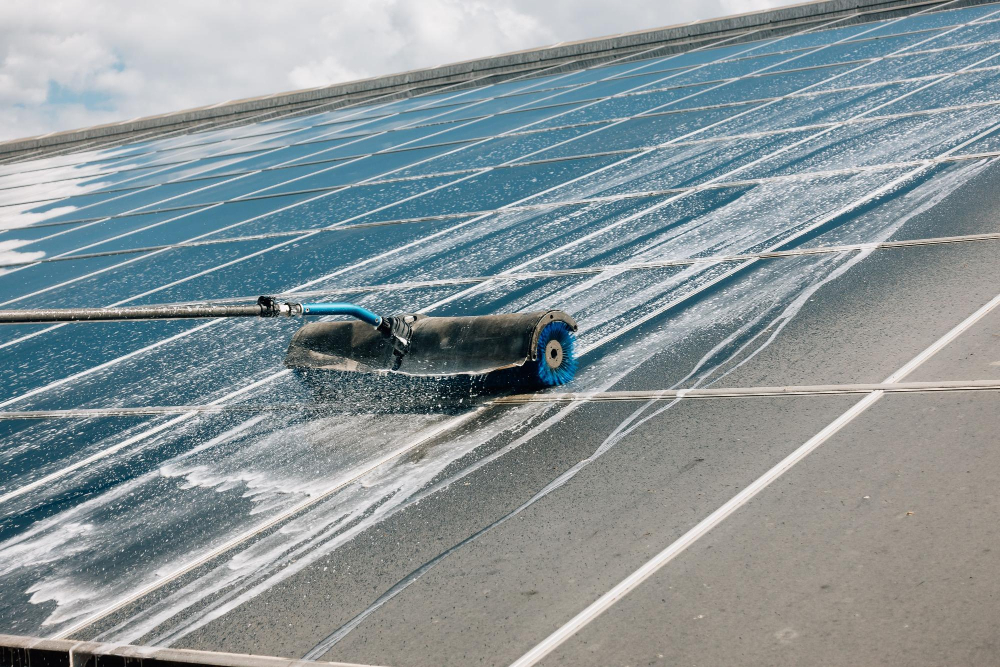
Solar Panel Cleaning in Tuggeranong should follow actual panel conditions, not a rigid universal schedule. Dust, birds, trees, weather, roof angle, and nearby activity determine how quickly contamination develops.
Why Cleaning Frequency Varies
Two neighbouring properties can experience different levels of buildup. One roof may sit beneath trees. Another may face open roads or construction.
Solar Panel Cleaning in Tuggeranong should reflect these local conditions. Therefore, property owners should assess visible dirt, surrounding risks, and manufacturer instructions.
Frequency may depend on:
- Panel angle affecting natural water runoff.
- Nearby trees dropping leaves, pollen, or sap.
- Bird activity creating repeated droppings.
- Dry weather allowing dust to accumulate.
- Construction work releasing fine airborne particles.
- Bushfire smoke leaving surface residue.
- Roof access influencing safe appointment planning.
Additionally, commercial systems may face different maintenance requirements.
Signs Cleaning May Be Needed
Panels should be inspected safely from the ground whenever possible. Owners can also review monitoring data for unexplained changes.
Solar Panel Cleaning in Tuggeranong may be appropriate when panels show:
- Visible dust layers.
- Bird droppings.
- Leaves around edges.
- Uneven dark marks.
- Pollen residue.
- Post-storm debris.
- Smoke or ash deposits.
In contrast, a small output change does not automatically prove dirt caused it. Electrical faults, shading, weather, or monitoring issues may also affect generation.
A qualified solar professional should investigate suspected system faults.
Seasonal Conditions Across Canberra
Canberra experiences dry periods, cold winters, pollen seasons, and changing weather. These patterns influence rooftop contamination.
Solar Panel Cleaning in Tuggeranong may become more relevant after prolonged dry conditions. Rain can remove loose dust, but stubborn marks may remain.
Spring pollen can settle across exposed surfaces. Meanwhile, summer bird activity may create concentrated contamination.
Property owners should avoid cleaning during extreme heat. Panel surfaces can become very hot under direct sunlight.
Residential Cleaning Schedules
Many homes may only require occasional cleaning. However, properties near trees, birds, or dusty areas could need more frequent attention.
Solar Panel Cleaning in Tuggeranong should consider visual condition before every booking. As a result, owners avoid unnecessary appointments and water use.
A residential review may include:
- Ground-level visual inspection.
- Monitoring-system review.
- Manufacturer recommendations.
- Recent weather events.
- Nearby environmental changes.
- Previous cleaning date.
- Current roof condition.
Likewise, inspection should never require unsafe climbing by the homeowner.
Commercial and Larger Systems
Businesses may rely more heavily on predictable energy generation. Larger systems also contain more panels and wider roof areas.
Solar Panel Cleaning in Tuggeranong for commercial properties requires planned access and safety controls. Furthermore, scheduling may need coordination with building operations.
Commercial owners should document:
- Cleaning dates.
- Visible panel condition.
- Water and equipment used.
- Access procedures.
- Reporteded damage.
- Technician recommendations.
- Monitoring observations.
From another perspective, records support consistent maintenance decisions.
Safety Comes Before Frequency
Frequent cleaning offers no value when access creates unacceptable risk. Roof pitch, fragile surfaces, electrical components, and weather need assessment.
Safe Work Australia provides guidance about managing risks associated with working at heights. Solar Panel Cleaning in Tuggeranong providers should explain their access and fall-control procedures.
Homeowners should not stand on panels. They should also avoid ladders without appropriate skills and equipment.
Water-Efficient Cleaning
Cleaning should use only the water necessary for effective treatment. Harsh products may leave residue or affect manufacturer requirements.
The Australian Government’s water-efficiency guidance encourages sensible water use. Accordingly, providers should explain how they manage water consumption.
On the other hand, insufficient rinsing may leave unwanted residue.
Choosing the Right Timing
Book cleaning when visible conditions, manufacturer guidance, and safe access support it. Finally, avoid fixed schedules unsupported by actual need.
Reliable Solar Panel Cleaning in Tuggeranong combines condition-based planning, safe work, and responsible resource use.
Sources and References
This article reflects Safe Work Australia information concerning height safety. It also references Australian Government resources covering solar energy and water efficiency.