

Cleaning in Canberra and Tuggeranong should protect participants, older people, workers, and household visitors. Safe services require suitable products, trained cleaners, clear procedures, and careful risk management. Cleanliness should never create new hazards inside the home.
Begin With a Household Risk Assessment
Every home contains different surfaces, layouts, equipment, and accessibility needs. A simple assessment helps cleaners understand these conditions before working.
Cleaning in Canberra and Tuggeranong should identify slippery floors, restricted rooms, pets, and mobility equipment. Therefore, the cleaner can prepare suitable products and safe procedures.
An assessment may cover:
- Walking pathways used by residents and support workers.
- Mobility aids requiring clear surrounding space.
- Chemical sensitivities affecting product selection.
- Delicate surfaces needing specialist treatment.
- Pets or assistance animals present during appointments.
- Emergency contacts required for unexpected situations.
Additionally, instructions should remain accessible to relevant workers.
Chemical Handling and Product Selection
Cleaning chemicals must be used according to their labels. Incorrect dilution can reduce performance or create unsafe residue.
Cleaning in Canberra and Tuggeranong providers should consider allergies, fragrances, respiratory conditions, and pets. Products must also suit the intended surface.
Safe Work Australia explains that safety data sheets communicate chemical hazards. Accordingly, providers should store necessary information and train their workers.
Safe chemical practices include:
- Following dilution instructions.
- Maintaining ventilation where required.
- Wearing suitable protective equipment.
- Keeping products in labelled containers.
- Avoiding incompatible chemical mixtures.
- Storing supplies away from food.
- Preventing unauthorised access to products.
Moreover, stronger chemicals do not always provide better results.
Preventing Slips and Falls
Wet floors can create serious hazards for people with limited mobility. Equipment, cords, and moved furniture may also block pathways.
Cleaning in Canberra and Tuggeranong should use warning signs and controlled working areas. Cleaners must restore furniture and essential belongings after finishing.
In contrast, leaving floors wet without communication creates unnecessary risk. Participants should know when areas are safe to use again.
Cleaners can reduce hazards by:
- Working in smaller sections.
- Keeping equipment organised.
- Removing excess floor moisture.
- Maintaining clear exit routes.
- Returning walking aids correctly.
- Reporting damaged flooring promptly.
As a result, cleaning improves the environment without reducing accessibility.
Infection-Aware Cleaning Practices
Routine cleaning removes dirt and material from surfaces. Disinfection serves a different purpose and should target genuine needs.
Cleaning in Canberra and Tuggeranong must follow product instructions when disinfection is required. Overusing disinfectants can expose occupants to unnecessary chemicals.
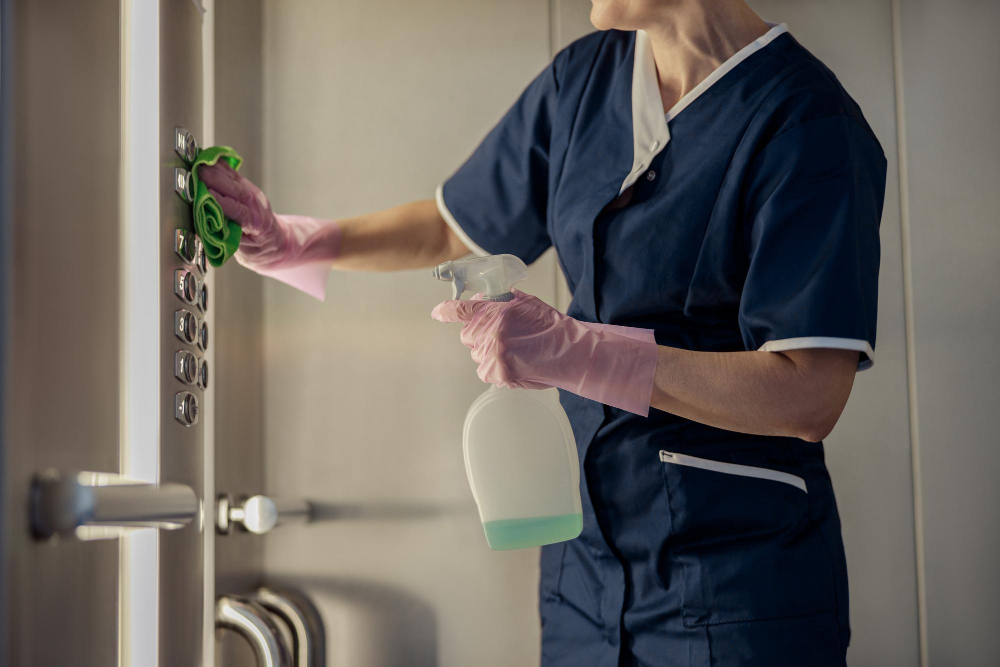
High-touch points may include handles, switches, taps, and selected shared surfaces. Meanwhile, personal equipment should not be cleaned without clear authority.
Furthermore, workers should follow hand hygiene and protective equipment procedures. Used materials must also be handled responsibly.
Worker Screening and Training
Safe products cannot compensate for poorly prepared workers. Providers should explain screening, supervision, and ongoing training arrangements.
Cleaning in Canberra and Tuggeranong staff need clear role boundaries. They must not perform clinical, medication, or personal care tasks without authority.
Relevant training may include:
- Chemical safety.
- Manual handling.
- Privacy and confidentiality.
- Infection-aware cleaning.
- Incident reporting.
- Respectful communication.
- Emergency procedures.
Likewise, replacement workers should receive essential household instructions before arrival.
Privacy and Personal Security
Safety includes protecting personal information, belongings, keys, and entry codes. Providers need secure systems for managing confidential details.
Cleaning in Canberra and Tuggeranong should respect restricted rooms and private documents. From another perspective, unnecessary access can damage trust even without physical harm.
Workers should never photograph the property without explicit permission. Any suspected loss or security issue requires prompt reporting.
Incidents, Feedback, and Improvement
Participants must know how to report hazards, concerns, or service failures. Providers should respond clearly and document corrective actions.
Regular reviews allow risk controls to change with household circumstances. New mobility equipment or health considerations may require revised instructions.
Finally, safety should remain active rather than assumed. Cleaning in Canberra and Tuggeranong delivers better support when prevention guides every decision.
Sources and References
This article reflects NDIS Quality and Safeguards Commission information concerning registered providers and participant safeguards. It also references Aged Care Quality and Safety Commission guidance regarding safe, rights-based care and wellbeing.